
But Russia Is Already Picking Up the Tab
August 2026
Russia issued a sharp warning this week: Britain will pay for supplying Ukraine with drones now being used to strike deep inside Russian territory. The threat came after confirmation that British built drones had hit oil refineries in Volgograd and Yaroslavl, marking the first time UK manufactured weapons of this type had been deployed against targets on Russian soil.
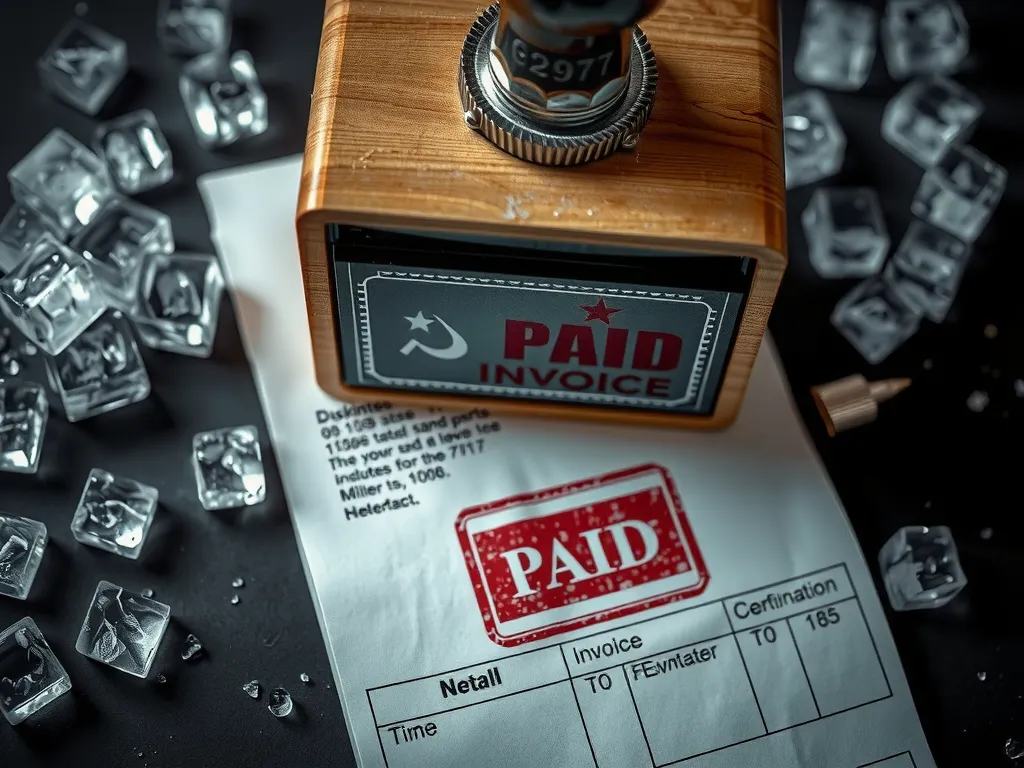
But here is the part Moscow would rather you did not notice. Britain is not paying for the drones. Russia is.
Follow the Money
The bulk of Britain’s drone deliveries to Ukraine are funded through the Extraordinary Revenue Acceleration loan, a £2.26 billion financing mechanism backed by the proceeds generated from frozen Russian sovereign assets. Not the frozen principal itself, but the interest and revenue it throws off while sitting immobilised in Western financial institutions.
In June 2026, Defence Secretary Dan Jarvis unveiled a £752 million package in Brussels that included 150,000 Ukrainian produced drones plus more than 350 air defence missiles and ground based radar systems, all to be delivered by the end of the year. The entire package is drawn from the ERA loan. Not a penny comes from British departmental budgets.
Put simply: Russia’s own money, frozen after the 2022 invasion, is now generating the revenue that funds the weapons hitting Russian refineries, naval bases, and logistics hubs. When Moscow says Britain will pay, the invoice has already been settled by the Kremlin’s own seized wealth.
“From 10,000 to a Quarter of a Million
The scale of Britain’s drone commitment to Ukraine has grown exponentially. In 2024, the UK pledged 10,000 drones backed by £325 million. By 2025, the target jumped to 100,000 with a £350 million investment. Over 85,000 were delivered in just six months, with total spending reaching £600 million.
Then came the June 2026 announcement: another 150,000 drones on top, funded entirely through Russian asset proceeds. The UK has gone from a modest contributor to one of Ukraine’s largest drone suppliers in under two years, and it has done so by making Russia foot the bill.
The drones themselves are largely Ukrainian produced, meaning the money flows directly into Ukraine’s domestic manufacturing base. This is a deliberate design choice. By routing frozen Russian revenue into Ukrainian factories, Britain has created a funding circuit that does not depend on annual parliamentary budget votes or shifts in political will. The money generates itself, the factories keep running, and the drones keep flying.
£35 Billion in Damage
The results have been devastating for Russia. According to The Sunday Times, Ukrainian forces carried out almost 700 successful deep strikes between January and June 2026, reaching 52 Russian regions and causing an estimated £35 billion (roughly $47 billion) in economic damage. Targets have included oil refineries, fuel storage facilities, naval installations, and military logistics hubs, triggering fuel shortages and rolling blackouts in some Russian regions.
British systems confirmed in the strikes include the BAE Systems Nyan, a jet powered one way attack drone that was publicly displayed during Royal Navy trials in June 2026, along with a second system from an unnamed UK manufacturer. A senior Ukrainian military source told The Sunday Times that the British drones were proving successful, adding: “When we launch them, we always say Slava Ukraini and God save the King.”
Former UK Air Marshal Greg Bagwell predicted Moscow would “sabre rattle” in response, and that is precisely what happened. Russia’s warning that Britain would pay arrived within days.
The Irony Moscow Cannot Escape
There is a layered irony here that is worth unpacking.
Russia invaded Ukraine in 2022. Western nations froze approximately $300 billion in Russian central bank reserves and sovereign assets. Those assets now sit in institutions across Europe and North America, generating billions in annual returns. Those returns are being channelled, through mechanisms like the ERA loan, directly into the weapons systems that are now striking Russian territory.
Russia is, in effect, funding its own bombardment. Every frozen dollar that generates a return buys another drone. Every drone that hits a Russian refinery deepens the economic damage that weakens Russia’s ability to sustain the war. And Russia’s threat to make Britain pay rings hollow when the financial architecture makes clear that the bill is already being covered from Moscow’s own pocket.
Meanwhile, Russia’s budget deficit blew past $77 billion in the first half of 2026. Military spending consumed nearly 40% of all federal expenditure. The Kremlin is issuing yuan denominated bonds to China and importing North Korean labour to keep its economy functioning.
Britain, by contrast, has found a way to arm Ukraine without spending its own money, while simultaneously ensuring that the aggressor funds the defence of the nation it attacked.
What Comes Next
The UK has signalled further escalation. Under former PM Keir Starmer, plans to use frozen Russian assets more broadly were already advancing, and new Prime Minister Andy Burnham, who took office on July 20, has shown no sign of reversing course. Western officials have described “real momentum for the first time in a long time.” The implication is clear: this funding model is not a one off. It is becoming structural.
For Russia, the strategic calculus is grim. Threatening Britain with consequences for drone supplies only draws attention to the fact that the funding source is beyond Moscow’s reach. The assets are frozen. The revenue keeps flowing. The drones keep arriving.
And every time the Kremlin warns that someone will pay, the answer writes itself.
Someone already did. It was Russia.
Sources include reporting from The Sunday Times, UK Defence Journal, Kyiv Independent, Telegraph, LBC, UK Ministry of Defence, and the Financial Times.
Leave a Reply
You must be logged in to post a comment.